Shakshuka: Spice Up Your Brekkie Game

Some history about Shakshuka

Before we dive into this culinary delight, let’s explore the rich history of this humble yet extraordinary dish. Shakshuka’s ( also known as Shakshouka) roots lie in North African cuisine, particularly Tunisia, where it’s been a staple for generations. The word means “mixture” in Arabic dialects, and it truly lives up to its name with its perfect storm of flavours, textures, and aromas.

As people migrated, they carried their cherished recipes with them. Shakshuka spread throughout the Middle East and beyond, adapting to local tastes and ingredients. It’s a testament to food’s power to unite people across cultural and geographical boundaries.

Picture this: It’s 1950s Tunisia. The air is thick with spices and simmering tomatoes. Workers gather around a steaming pan, tearing off crusty bread to dip into the bubbling, spicy tomato sauce, fishing out peppers and onions, and scooping up runny egg yolks. This is Shakshuka – not just a meal, but a tradition of sharing and community.

Today, Shakshuka graces menus of trendy brunch spots worldwide, from London to New York, Sydney to Berlin. It’s proof that good food knows no boundaries. Whether you’re a busy professional or a weekend warrior ready to impress, Shakshuka’s got you covered. Eat it for breakfast , brunch  or for that matter supper or lunch.

Ready to shake up your breakfast game? Let’s dive into the world of Shakshuka. Your taste buds will thank you!

Read more

Louisiana hot sauce

A Rich History and Unique Flavour

Louisiana hot sauce is more than just a condiment—it’s a culinary tradition that brings a burst of flavour and heat to any dish. Whether you’re a seasoned hot sauce aficionado or a curious newcomer, there’s always something new to discover about this fiery favourite. In this article, we’ll delve into its history, introduce well-known brands, and offer tips on how to enjoy Louisiana hot sauce in your meals.

Louisiana hot sauce boasts a rich history dating back to the early 20th century. Known for its simple yet bold ingredients—aged Chilli peppers, vinegar, and salt—it creates a tangy, spicy flavour that enhances many dishes.

Avery Island, the birthplace of the iconic Tabasco sauce, is central to this history. The McIlhenny family began producing Tabasco there in 1868, thanks to the island’s unique salt dome and ideal pepper-growing climate. Today, Tabasco is still made on Avery Island using the same family recipe and traditions.

In the early 20th century, the McIlhenny Company sought to protect its “Tabasco” trademark when B.F. Trappey’s Sons, Inc. began using the name for their hot sauce. The court ruled in favour of McIlhenny, affirming their exclusive right to the “Tabasco” name. This landmark case emphasised the importance of trademark protection and brand identity.

Read more

Chilli sauce gift sets

The Fiery Trend

In recent years, chilli sauce has surged in popularity across the United Kingdom, evolving from a simple condiment into a cultural phenomenon and a fashionable gift choice. This rise in popularity reflects broader culinary trends, as more people explore diverse and bold flavours in their cooking. The UK’s growing multicultural society has embraced these spicy delights, incorporating them into traditional and contemporary dishes alike.

Chilli sauce appeals to a wide range of tastes, from those who enjoy a mild kick to thrill-seekers who crave intense fiery sensations. The spectrum of flavours, from sweet and tangy to smoky and garlicky, ensures there is something for everyone. As a gift, chilli sauce offers a unique blend of excitement and practicality, making it a perfect choice for food lovers and adventurous eaters.

The cultural impact of chilli sauce is significant, with hot sauce festivals, dedicated stores, and even hot sauce subscription boxes becoming increasingly common. This article delves into the reasons behind the rising trend of chilli sauce gifts in the UK, examining their appeal, variety, popular gift sets, and the best places to find these spicy treasures. Whether for a birthday, holiday, or simply as a thoughtful gesture, chilli sauce gifts bring a fiery touch to any occasion, embodying a spirit of adventure and culinary exploration.

In addition to the explosion of chilli sauce flavours and uses, the visual appeal of these condiments has also contributed to their rise as trendy gifts. Eye-catching labels, unique bottle designs, and even the vibrant colors of the sauces themselves make them a visually exciting addition to any kitchen counter or gift basket. This aesthetic factor, coupled with the delicious and diverse flavor profiles, creates a truly unique gifting experience that caters to both the recipient’s taste buds and their desire for a stylish kitchen staple.

Read more

All about Korean Kimchi

The Rich and Flavourful World of Kimchi

Kimchi, a traditional Korean dish, dates back to ancient Korea, with origins tracing back over 3,000 years. Historically, Koreans developed fermentation techniques to preserve vegetables during the harsh winter months. Over centuries, the recipe evolved, incorporating various vegetables, spices, and seasonings, resulting in the diverse range of kimchi varieties we see today. Each region in Korea has its unique kimchi recipe, reflecting local ingredients and traditions. The communal activity of making kimchi has become an integral part of Korean culture, celebrated annually during the kimjang season.

The allure of kimchi extends beyond its taste. It’s a dish steeped in history and tradition, representing a connection to ancient practices and communal lifestyles. The process of making kimchi, known as “kimjang,” is more than a culinary activity; it’s a cultural ritual that has been passed down through generations, fostering a sense of community and continuity. Each bite of kimchi carries with it the essence of Korean culture, blending the wisdom of the past with the vibrancy of the present.

The fermentation process that kimchi undergoes is a fascinating journey of transformation. Fresh, crunchy vegetables metamorphose into a tangy, spicy, and deeply satisfying delicacy. This process not only enhances the flavour but also imbues kimchi with probiotics, making it a powerhouse of health benefits.  The unique balance of heat, sourness, and umami in kimchi makes it an exciting ingredient in both traditional and modern culinary creations.

Read more

Red Chillies. An overview

A culinary powerhouse

Red chillies  are more than just a spice; they are a culinary powerhouse that adds heat, flavour, and vibrant colour to dishes around the world. These fiery little fruits have a storied history and a multitude of varieties, each bringing its own unique character to the table. Whether you’re a fan of their intense heat or appreciate their subtle nuances in milder forms, red chillies have something to offer every palate.

Originating from the Americas, red chillies  have travelled far and wide, influencing cuisines from Mexico to India, Thailand to Hungary. Their journey across continents is a testament to their versatility and the universal appeal of their pungent heat. From the moment Christopher Columbus encountered them in the New World, chillies have become an integral part of the global culinary landscape.
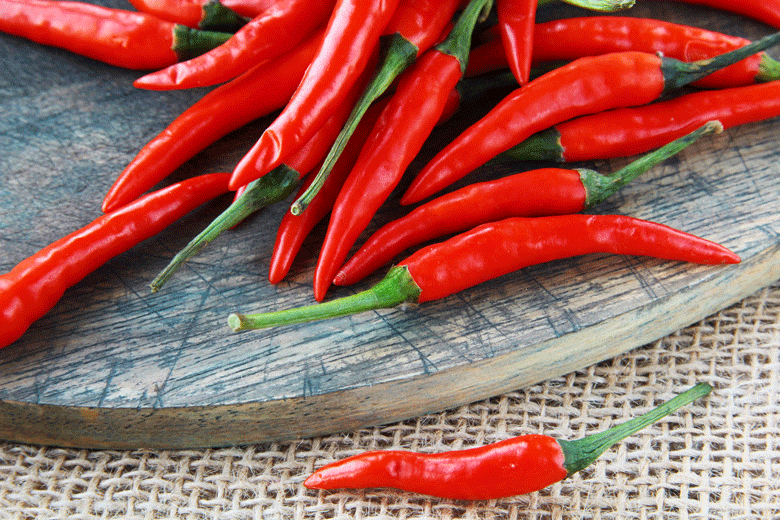
One might wonder what distinguishes red chilli peppers from their green counterparts. While both are fundamentally the same fruit at different stages of ripeness, the differences are significant. Red chillies are simply green chillies that have been left on the plant longer to mature. This additional time on the vine allows red chillies to develop a more complex flavour profile and, often, a higher heat level. The maturation process also increases their sweetness, making red chilies less sharp in taste compared to the more vegetal, slightly bitter flavour of green chillies. Additionally, the nutritional content of red chilies is generally higher, with increased levels of vitamin C, vitamin A, and capsaicin.

Read more

The Mighty Cayenne Chilli

Chilli Cayenne

When it comes to adding a burst of heat to your culinary creations, few ingredients compare to the fiery charm of the Chilli Cayenne. This slender, vibrant red pepper is a staple in many kitchens around the world, and for good reason. Its ability to enhance flavours without overpowering them makes it a favourite among chefs and home cooks alike. Let’s dive into what makes the Cayenne Chilli so special and how you can make the most of its unique flavour and heat.

The Chilli Cayenne, named after the capital city of French Guiana , Cayenne, has a rich history that traces back to Central and South America. These peppers were cherished by indigenous cultures long before European explorers brought them to other parts of the world. Used both for their medicinal properties and culinary versatility, they became integral to many traditional dishes. Today, Cayenne peppers are grown globally, from India to Mexico, making them a truly international spice.

One of the defining features of the  Cayenne Chilli  is its heat level. Measuring between 30,000 and 50,000 Scoville Heat Units (SHU), Cayenne peppers pack a punch without being overwhelmingly hot. This balanced heat profile allows them to be used in a wide range of recipes, from spicy sauces to zesty soups. This makes them an ideal choice for those who appreciate a moderate level of spiciness in their dishes.

Read more

Kung Poa Chicken

AKA Koon  Po Chicken

Kung Pao Chicken, also known as Koon Po Chicken, has an interesting history that traces back to the Qing Dynasty (1644-1912) in China. The dish is named after Ding Baozhen, a governor of Sichuan Province during the late Qing Dynasty, who held the title of “Gong Bao” (translated as “Palace Guardian” or “Kung Pao” in English). Ding Baozhen was known for his love of culinary delights, and one of his favourite dishes was a spicy chicken stir-fry with peanuts.

The original version of the dish was created by the governor’s chef, combining locally available ingredients with the bold flavours characteristic of Sichuan cuisine. Over time, Kung Pao Chicken became popular throughout China, with regional variations emerging. The Sichuan version is particularly famous for its use of Sichuan peppercorns, which impart a unique numbing sensation, and dried red chilies that add significant heat and a deep, smoky flavour to the dish.
Kung Pao Chicken was introduced to the Western world in the 20th century, especially during the mid-1900s, as Chinese immigrants brought their culinary traditions to different parts of the world. In Western adaptations, the dish sometimes includes bell peppers and other vegetables, and the level of spiciness is often toned down to suit local tastes. Despite these adaptations, the essence of the dish—a flavourful blend of spicy, sweet, and savoury elements—remains true to its origins, continuing to delight palates globally.

Read more

Homemade Steak Sauce

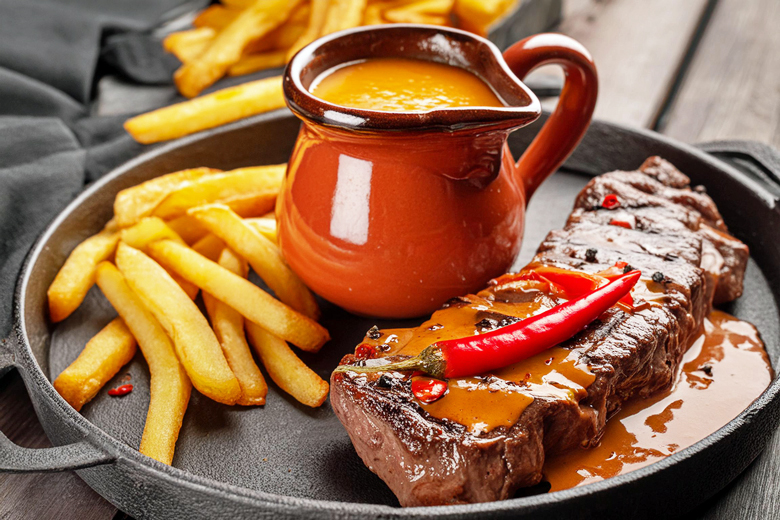
Steak sauce with Chillies

If you’re looking to elevate your steak with a sauce that’s both indulgent and packed with flavour, this creamy chilli steak sauce is a perfect choice. Combining the richness of heavy cream with the bold heat of fresh red chillies, this sauce creates a harmonious blend that complements the savoury taste of a perfectly cooked steak. Enhanced with aromatic shallots and garlic, and balanced with Dijon mustard, Worcestershire sauce, and a touch of tomato paste, this sauce offers a delightful complexity that will impress your taste buds and dinner guests alike.

Dijon mustard and Worcestershire sauce introduce subtle tangy and umami notes  enhancing the overall taste profile and adding layers of intrigue to the sauce. A touch of tomato paste rounds out the flavours with a hint of sweetness and acidity, balancing the creaminess and spice.

Whether you’re hosting a dinner party or simply enjoying a special meal at home, this creamy chilli steak sauce is sure to become a favourite addition to your culinary repertoire. It’s versatile enough to complement various cuts of steak, from tender filet mignon to hearty ribeye, and can even be paired with other meats like chicken or pork for a delightful twist.

This recipe is straightforward and easy to follow, ensuring that you can create a restaurant-quality sauce in the comfort of your own kitchen. With its rich, spicy, and creamy characteristics, this sauce will transform your steak into a gourmet dish that will leave everyone asking for seconds. So, gather your ingredients and get ready to impress with this delectable creamy chilli steak sauce.

Read more

Creating Your Own Homemade Steak Sauce

Making homemade steak sauce

While shop-bought sauces can be convenient, there is nothing quite like the satisfaction of creating your own homemade steak sauce from scratch. By making your own sauce,you have full control over the ingredients, flavours, and consistency, allowing you to tailor it to your specific preferences.

To start, choose a base for your sauce such as a reduction of wine, stock, or cream. This will provide the foundation for your flavours to build upon. Then, experiment with different herbs, spices, and aromatics to create a sauce that complements the steak perfectly.

For a simple yet delicious homemade steak sauce, try caramelising onions and garlic in butter, then deglazing the pan  with red wine and beef stock. Add a touch of mustard and Worcestershire sauce for depth of flavour, and finish with a knob of butter for a luxurious shine.

For a spicy kick, consider making a homemade chilli sauce. Blend fresh chillies with garlic, vinegar, and a touch of sugar for balance. Simmer the mixture until thickened, then adjust the seasoning to taste. This sauce can be as mild or as fiery as you like, adding a customisable heat to your steak.

Remember, the key to a great homemade sauce is to taste as you go and adjust the seasonings accordingly. Don’t be afraid to get creative and try new flavour combinations until you find the perfect sauce that takes your steak to the next level.

Read more

Sucuk

Turkish Sucuk sausage

If you’re a food enthusiast with a penchant for discovering new and exciting flavours, it’s time to introduce you to sucuk (pronounced “soo-jook”), a beloved Turkish sausage that promises to tantalise your taste buds. This spicy, savoury sausage is a staple in Turkish cuisine, known for its distinctive taste and versatile usage. Here’s everything you need to know about sucuk and why it deserves a spot in your culinary repertoire.

Sucuk is a dry, cured sausage made primarily from ground beef, although variations can include lamb or a mix of both. The meat is seasoned with a blend of spices, which typically includes garlic, cumin, sumac, paprika, and red pepper flakes. The mixture is then encased in a sausage casing and left to cure, allowing the flavours to meld and intensify.

The beauty of sucuk lies in its rich, aromatic spices that transport you straight to the bustling markets of Turkey. Each sausage is a testament to the traditional methods of meat preservation and spice blending that have been perfected over centuries. The curing process not only intensifies the flavours but also gives sucuk its distinctive, slightly chewy texture, making every bite a memorable experience. It’s a reflection of the Turkish culinary heritage, where food is crafted with care, passion, and an array of bold, vibrant flavours.

Imagine sinking your teeth into a perfectly grilled slice of sucuk. The outer layer is crispy, giving way to a tender, juicy interior bursting with the flavours of garlic, cumin, and paprika. Each bite offers a harmonious blend of spiciness and savoury goodness, leaving a lingering warmth that beckons for more. Whether enjoyed on its own, as part of a hearty breakfast, or a flavourful addition to various dishes, sucuk’s versatility and robust taste make it a standout

Read more