Food from Portugal

Spicy Portuguese food

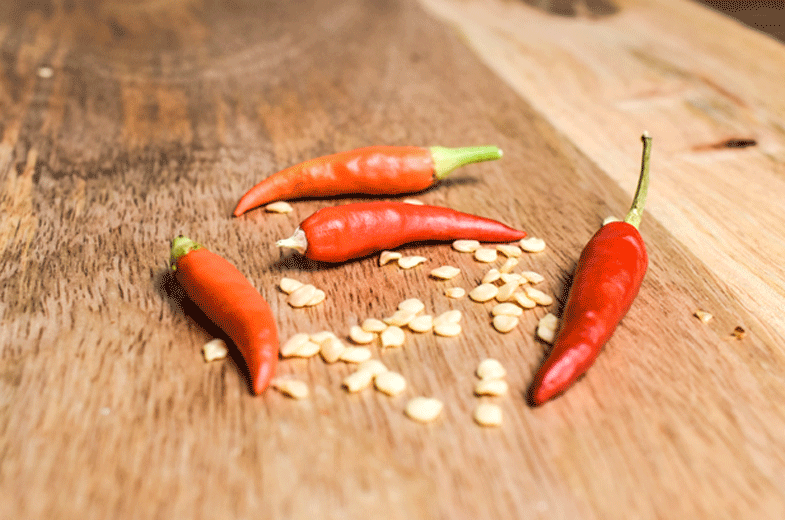
Beyond stunning coastlines and rich culture, Portugal boasts a vibrant culinary scene, as diverse and flavourful as its history. Influenced by past colonies, Portuguese cuisine is a delightful tapestry of fresh, seasonal ingredients and aromatic herbs. A surprising touch – chillies – brings a subtle heat. While not known for overwhelming spice, Portugal uses chillies strategically to add depth to iconic dishes.

Get ready for a culinary adventure through Portugal! We’ll delve into ten delectable dishes that showcase the country’s love for a fiery kick. Each dish adds a unique twist, taking you on a journey through Portugal’s diverse flavours. From succulent grilled meats to comforting stews and vibrant seafood creations, these offerings will tantalize your taste buds.

From trendy Lisbon restaurants to traditional Alentejo villages, these fiery dishes are enjoyed by all. Whether you’re a spice enthusiast or a curious palate, Portuguese cuisine has something to offer. These spicy dishes highlight the versatility and depth of Portuguese cuisine. Chillies, though not the centre piece, enhance the flavours and add an exciting kick to these traditional recipes that have been brought back from previous  Portuguese colonies far and wide across the globe

Whether you’re a spice enthusiast or just looking to add a bit of heat to your meals, these Portuguese dishes with chillies offer a delicious way to experience the rich culinary heritage of Portugal. We wish you a hearty bom apetite!

Read more

Expert Tips for Pairing Chillies

Chilli pairing principles

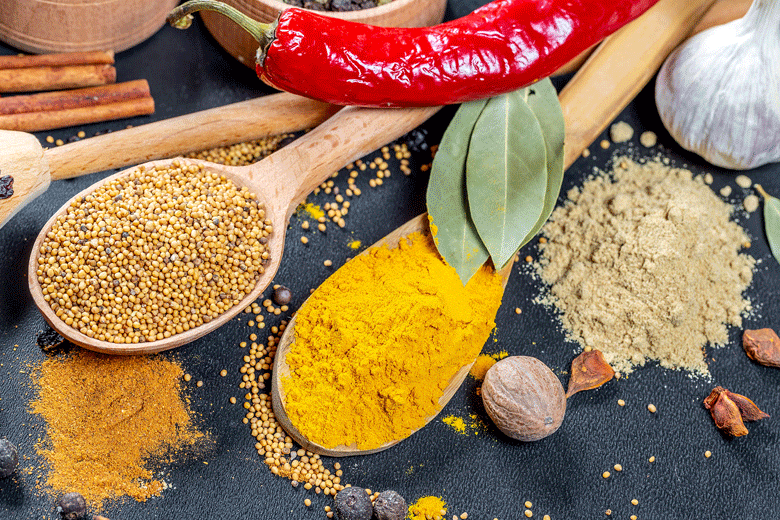
When it comes to enhancing the flavour profile of your dishes, few ingredients can match the versatility and impact of chillies. From adding a subtle warmth to creating an intense heat, chillies can transform a meal into an unforgettable culinary experience. However, pairing chillies with the right foods is essential to balance their heat and bring out the best in both the chillies and the dishes they accompany. Here’s a guide to help you navigate the exciting world of chillies and food pairing.

Chillies are a cornerstone of many culinary traditions around the world, revered not only for their ability to add heat but also for the unique flavours they bring toSpicy devilled eggs the table. From the smoky undertones of chipotle to the bright, fruity notes of habanero, each type of chilli offers something different. Understanding these nuances can open up a whole new world of cooking possibilities.

The journey of discovering how to pair chillies with food is as much about understanding the characteristics of the chillies themselves as it is about recognizing the balance they can bring to various dishes. This balance is crucial because while the heat of a chilli can enhance a dish, it can also easily overpower it if not used thoughtfully. That’s why knowing how to pair chillies with other ingredients is key to achieving a harmonious and flavourful meal.

Exploring the myriad ways in which chillies can interact with different cuisines and ingredients is an adventure in itself. Whether you’re delving into the complexity of Mexican mole sauces or experimenting with fiery Indian curries, understanding how to harness the power of chillies can elevate your culinary creations to new heights. So, let’s embark on this spicy journey together and unlock the full potential of these fiery gems!

Read more

Chilli Masterclass: Flavour & Heat

Balancing heat and flavour

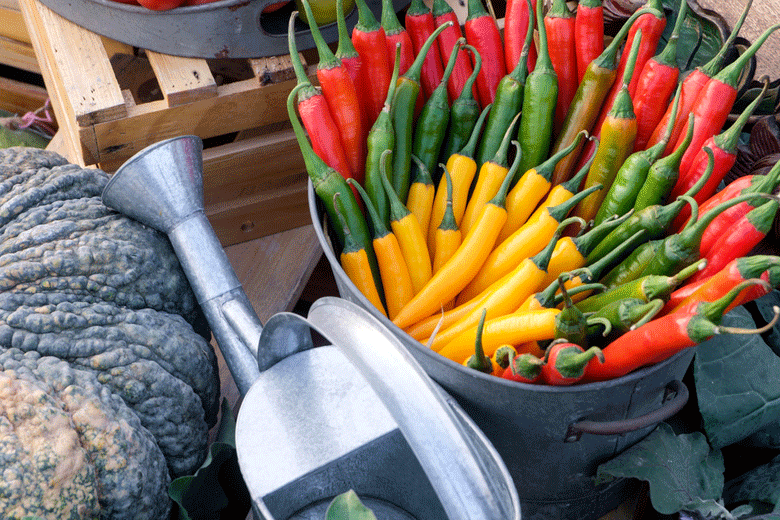
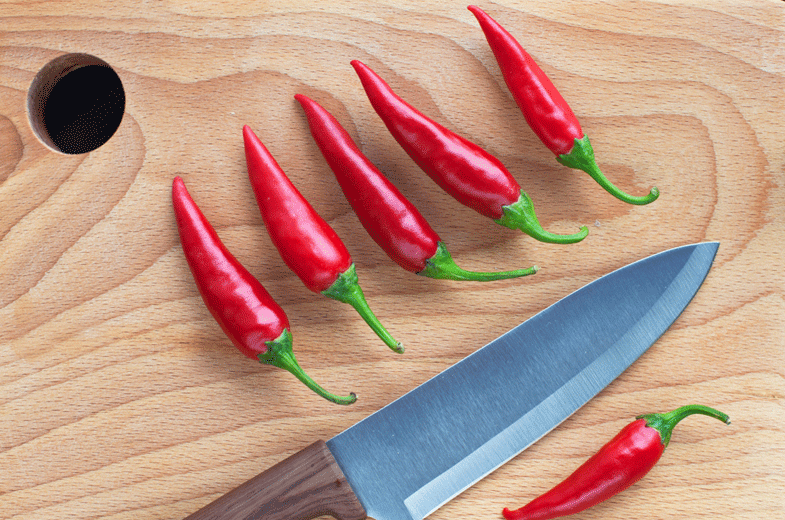
Chillies are more than just a source of heat; they add depth, complexity, and vibrant colour to dishes from around the world. Whether you’re a seasoned spice lover or just beginning to explore the world of chilies, understanding how to balance heat and flavour, select the right chilli for each dish, and handle chilies safely is essential. Here’s a comprehensive guide inspired by the expertise and recipes from The Chilli Workshop, focusing on chillies commonly found in the UK.

Cooking with chilies can seem intimidating at first, especially with the vast array of varieties available. However, with a bit of knowledge and practice, you can harness the unique qualities of each chili to enhance your culinary creations. Chillies are used in a variety of global cuisines, from the fiery curries of India to the tangy hot sauces of the Caribbean. They not only provide heat but also contribute complex flavours ranging from fruity and sweet to smoky and earthy.
Balancing heat and flavour is a critical aspect of cooking with chilies. Too much heat can overwhelm a dish and mask other flavours, while too little might leave your dish lacking the desired punch. Understanding how to use different chilies to achieve the perfect balance is key. This involves not only selecting the right chili for your recipe but also knowing how to pair chillies with other ingredients to enhance and complement their flavours. For example, smoky chipotle peppers add a rich depth to stews, while bright jalapeños deliver a fresh, zesty kick to salsas.

Read more

The Difference between Chiles and Chillies

Chiles or Chillies ?

In the vibrant world of culinary arts, few ingredients are as universally celebrated and revered as the humble Chili pepper. These fiery fruits, known for their distinctive heat and complex flavours, are a staple in kitchens around the globe. However, a common point of confusion arises when discussing these spicy delights: the terms “chiles” and “chillies.” Are they different types of peppers? Do they come from different regions? Or is it simply a matter of spelling? Understanding the nuances between these terms can enrich our appreciation of the diverse culinary traditions that embrace these peppers.

At first glance, the difference between “chiles” and “chillies” might seem trivial, a simple variation in spelling. However, this variation reflects deeper cultural and linguistic histories. The distinction can tell us a lot about the peppers’ journey from their origins in the Americas to their widespread use in cuisines across the world. These peppers have travelled far and wide, becoming integral to dishes that define national cuisines and local flavours. Exploring these terms not only deepens our understanding of the peppers themselves but also of the rich tapestry of culinary practices that celebrate them.

The terms “chiles” and “chillies” actually refer to the same plant, but the difference lies in regional spelling variations and cultural context. These variations reflect the rich and varied histories of these peppers, from their origins in the Americas to their global spread and integration into various cuisines. Let’s dive deeper into the spicy world of peppers to unravel the distinctions and discover how these terms are used in different culinary landscapes.

Read more

How to save seeds


Saving seeds for next year

With the Chilli season coming to a close and Chilli harvesting in full swing in the United Kingdom, now is the time to start saving seeds for next season. With the hefty price that some seed suppliers charge for their seeds, this makes good financial sense. Besides, if you have plants that have done exceptionally well in the season, why not save some seeds for next year?

To successfully save seeds, choose fruit that is slightly overripe.  The chances of the seeds being fertile are far more likely if they are at this stage of ripeness. Also, make sure you only chose pods that are healthy and not showing any signs of disease.

Once you have picked them, slice them in half and scrape them out of their pods. Try to scoop out as little of the white membrane when doing this, as not doing so can cause seeds to become mouldy during drying. This can cause them to become infertile

Once the seeds have been scrapped out of their pods, place them in a tea strainer under cold running water, and gently wash away as much of the placenta as possible. If this doesn’t,  work try placing the seeds in a jar with some water, and shake them until any remaining placental tissue shakes loose from the seed.

Read more

How to Harden Off Your Chilli Plants

A guide to hardening off

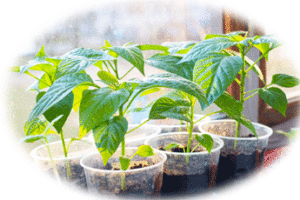
Hardening off chilli plants is essential for their successful transition from indoor environments, where they enjoy stable conditions, to the outdoors, where they will face variable and sometimes harsh conditions. Chilli plants, like other tender plants, are often started indoors to give them a head start before the growing season begins. Indoor environments provide a controlled atmosphere with stable temperatures, consistent moisture levels, and protection from harsh weather conditions.

Imagine spending your entire life in a comfortable, climate-controlled environment and then suddenly being thrust into the wild. This is akin to what happens to chilli plants if they are moved directly from the cozy indoors to theWhere to plant Chillies. unpredictable outdoors without a period of adjustment. The sudden change in light intensity, temperature fluctuations, and exposure to wind and other elements can be a severe shock to their system, manifesting as sunburn on the leaves, wilting, stunted growth, or even plant death.
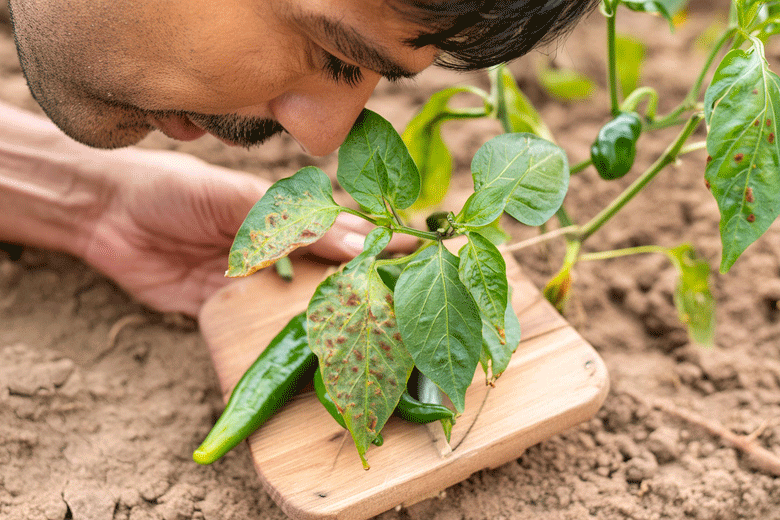
The hardening off process mitigates these risks by gradually acclimatizing the plants to their new environment. By slowly increasing their exposure to outdoor conditions, chilli plants develop stronger stems, thicker leaves, and more robust root systems, making them better equipped to handle the challenges of growing outside. This step-by-step acclimatization is critical for the health and productivity of your chilli plants, ensuring they thrive and produce bountiful harvests.

Follow this comprehensive guide to hardening off your chilli plants for  the best start in their outdoor life, ensuring they transition smoothly and grow strong and healthy.

Read more

Common chilli growing problems

Combating  problems

Growing chillies can be both exciting and challenging, offering the satisfaction of cultivating your own flavourful peppers. As you embark on this journey, you’ll encounter various Chilli growing problems  that may hinder your plants’ growth and development, from yellowing leaves caused by nutrient deficiencies or pest infestations to issues like stunted growth, blossom drop, and disease outbreaks. Understanding and addressing these challenges are crucial steps towards achieving a successful harvest.

To combat these issues effectively, it’s crucial to carefully assess your plant’s environment and make necessary adjustments. Ensure proper watering practices, provide adequate nutrients through fertilization, and regularly inspect your plants for signs of pests such as aphids or spider mites. If you suspect a nitrogen deficiency is causing the yellowing, consider fertilizing your plants with a nitrogen-rich fertilizer to promote healthy leaf development and combat the issue.

By addressing these Chilli growing problems head-on and implementing proactive measures, you can ensure the health and vitality of your chilli plants, leading to a successful harvest. Remember, with patience and perseverance, you can overcome any obstacles that come your way. If you ever need guidance or assistance, don’t hesitate to reach out to the  Chilli Workshop. Together, we’ll navigate the intricacies of chilli growing and cultivate thriving plants that yield bountiful harvests. Happy growing!

Read more

Growing Chilli Peppers in the UK

Getting the basics right

Welcome to Chilli Workshop! We’re passionate about chillies and want to help you grow them in the UK. Even though the UK doesn’t have the best climate for growing chillies, you can still grow lots of chillies here if you know how. Growing your own chillies also helps the environment because it reduces the need to transport them from far away.

Before you start growing chillies, it’s important to understand how the UK’s weather affects plants. Chillies like warm and sunny weather, but with some adjustments, they can grow well in the UK without too much trouble. You just need to pick the right types of chillies,  protect them from the weather and give them tender loving acre .

In the UK, the time for growing chillies is short. So, it’s best to start growing them indoors in January or February. This way, they have enough time to grow strong before they’re ready to go outside. Once the weather is warmer  ( at least above 10 degrees Celsius) , they need to be hardened off and then  you can move them outdoors.

This method helps them grow better and gives you more chillies. During the winter months they stand no chance of surviving. However, when they’re outside, they get natural sunlight and develop as if they have been outside all along . It’s like giving them a boost! With this approach, you can grow lots of tasty chillies right in your backyard. Join us at Chilli Workshop to learn more and start growing your own spicy Chilli  peppers!

Read more

Introducing Prices Spices

Award winning producer

Michael Price of Prices Spices is an entrepreneur in his 40’s, who has distinguished himself in the Chilli scene within the United Kingdom by achieving no fewer than 27 Great Taste awards and two Foodie awards. Amongst the many Great Taste Awards, Michael also achieved the top accolade of a Golden Fork award from the Guild of Fine food in 2021. He was also the 2016 winner of the new business category from the Leamington business awards.

Great Taste awards are awarded to only the very best foods (including sauces) in the United Kingdom( and other countries around the world) .  They are awarded by the Guild of Fine food after a rigorous judging process in which the sauces are blind tested by elected chefs, cooks, buyers, retailers, restaurateurs, food critics and writers.  The judges consider the texture, appearance of the product and quality of ingredients. They also take aroma and bite into consideration, but of paramount importance is the taste of the      products.

Similarly, the Foodie Awards are a food and drinks awards program for Coventry and Warwickshire to celebrate the makers, creators and providers of excellent food, drinks and hospitality experiences. Micheal’s award falls under the Artisan food producers category which  as Foodie awards put it ” recognises an artisan food producer who really does have the wow factor”

Read more

Chilli Honey

Sweet heat

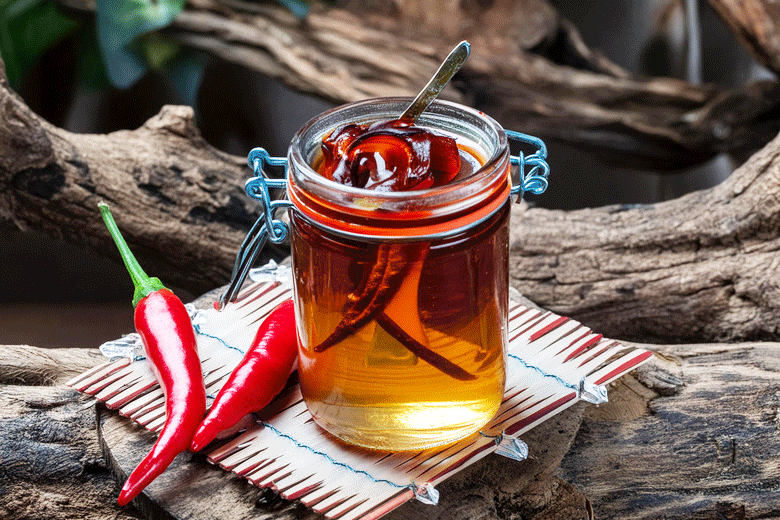
In a world where culinary experimentation knows no bounds, Chilli Honey  has emerged as a true game-changer. Picture this: a velvety stream of golden honey infused with the fiery essence of red chillies. It’s a marriage of flavours that dances on your palate, leaving behind a tantalizing trail of sweet heat that keeps you coming back for more.

Chilli honey isn’t just a condiment—it’s a culinary adventure waiting to unfold. With its irresistible blend of sweetness and spice, it has the power to transform even the simplest of dishes into extraordinary culinary creations. Whether you’re a daring foodie on the hunt for your next flavour obsession or a curious home cook looking to add a little excitement to your meals, chilli honey is here to take your taste buds on a wild ride.
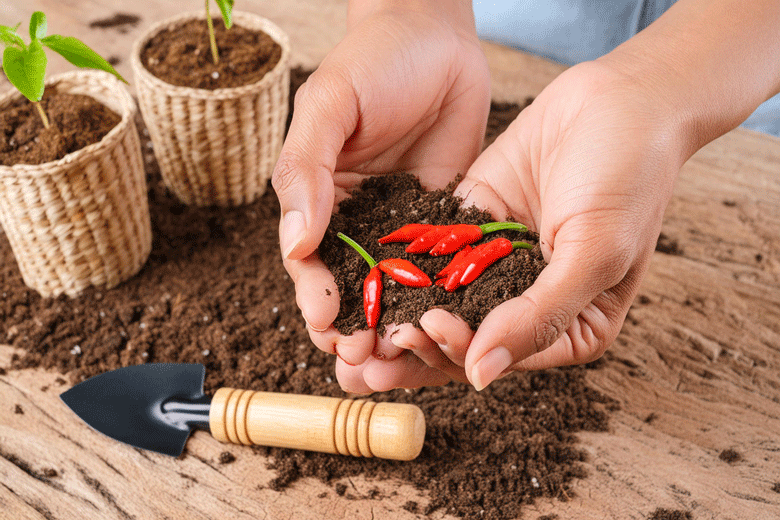
Chilli honey is typically made by infusing honey with chilli peppers. The process involves adding chillies  to honey and allowing the flavours to meld together over time. The heat level of the chili honey can vary depending on the type and amount of chili peppers used. Some people prefer milder peppers like jalapeños for a subtle kick, while others opt for hotter varieties like habaneros or ghost peppers for a more intense heat. It’s a versatile condiment, adding a sweet and spicy flavour to various dishes like glazes, marinades, dressings, or even just drizzled over cheese or fruit.

So, buckle up and prepare to embark on a journey of flavour exploration like never before. From savoury to sweet, from snacks to cocktails, the possibilities are endless when you have a bottle of this fabulous honey in your pantry. Join me as we dive into the wonderful world of this delectable elixir and discover the countless ways it can elevate your culinary creations.

Read more