Sweet Chilli chicken wings

Some history

The history of crispy chicken wings, particularly those paired with a sweet chilli sauce, is rooted in a blend of culinary traditions from around the world. The concept of frying chicken has been a staple in various cultures for centuries, with the Chinese, Scots, and West Africans all having their versions of fried chicken.

The modern popularity of chicken wings can be traced back to the United States in the mid-20th century. Specifically, the creation of Buffalo wings in Buffalo, New York, in 1964, marked the beginning of the chicken wing craze. This originalCooking with Chillies. Hot sauces version featured deep-fried wings coated in a spicy vinegar-based cayenne pepper hot sauce and served with celery sticks and blue cheese dressing.

Sweet chilli sauce, on the other hand, has its origins in Southeast Asia, particularly Thailand. This sauce, known for its balance of sweetness and heat, is traditionally made from red chillies, vinegar, sugar, and garlic. It is widely used as a dipping sauce and in various dishes across Asian cuisines.

The combination of crispy chicken wings with sweet chilli sauce likely emerged as part of the global fusion cuisine trend, where chefs and home cooks began blending elements from different culinary traditions. This fusion dish captures the essence of American comfort food and the vibrant flavors of Southeast Asian cuisine, resulting in a deliciously satisfying dish. Today, it is a popular appetizer and party food enjoyed by people all over the world, showcasing the versatility and universal appeal of both crispy chicken wings and sweet chilli sauce.

Read more

Mild Sweet Chilli Sauce

Home | Blog | Page 4

A Global Culinary Phenomenon

Mild sweet chilli sauce has evolved from its Thai origins to become a global culinary phenomenon, captivating taste buds across diverse cultures and cuisines. Known as “nam chim kai” in Thailand, this delicate balance of gentle heat and sweet-tangy flavors has been a cornerstone of Thai cooking for generations. Its journey from Southeast Asian kitchens to international pantries is a testament to its versatility and broad appeal. The sauce’s ability to complement a wide range of dishes, from grilled meats to vegetable stir-fries, has contributed to its widespread adoption and adaptation in various culinary traditions worldwide.

In the United Kingdom, the popularity of mild sweet chilli sauce has surged dramatically over the past two decades, transforming it from an exotic condiment to a household staple. British supermarket shelves now boast an impressive array of options, catering to every preference and budget. Established brands like Blue Dragon compete with supermarket own-labels from Tesco, Sainsbury’s, and others, offering consumers a wide selection. These sauces are typically packaged in convenient glass bottles or squeeze bottles, with volumes ranging from 190ml to 300ml to suit different household needs. The pricing is generally accessible, with most options falling between £1 to £1.50, and budget-friendly alternatives often available for even less, making it an affordable

luxury for many British consumers.

The integration of mild sweet chilli sauce into British cuisine has been both widespread and creative. In pubs and casual dining establishments across the UK, it has emerged as a popular alternative to traditional condiments, challenging the long-standing dominance of ketchup and mayonnaise as the go-to dipping sauce for chips (fries). Its versatility shines in diverse settings, from university canteens to local cafes, where it’s become a favoured topping for jacket potatoes, often paired with cheese or tuna mayonnaise for a satisfying meal. The sauce has also found its way into quintessentially British snacks, becoming a common accompaniment to sausage rolls and a fixture in kebab shops, where it stands alongside more traditional sauce options.

Read more

Chilli in Vinegar recipe

A Global Culinary Tradition

Chillies in vinegar is a widespread practice across many cultures, each adding its unique twist to this age-old preservation method. By immersing chillies in vinegar, their shelf life is extended significantly, allowing people to enjoy their fiery flavour long after the harvest season. This method not only preserves the chillies but also transforms them into a versatile condiment that can be used in various culinary applications. The resulting mixture adds a distinctive heat and tang to countless dishes, enhancing flavours and introducing a delightful kick.

The practice of preparing chillies in vinegar is deeply rooted in the culinary traditions of many regions. Each culture has developed its unique way of preparing and using pickled chillies, reflecting local tastes, available ingredients, and culinary customs. In some regions, the process involves adding spices, herbs, or other vegetables to the vinegar brine, creating complex flavour profiles that go beyond the simple combination of heat and acidity. This customisation showcases the creativity and resourcefulness of different culinary traditions.

In Southeast Asia, for example, chillies in vinegar are a common sight in many households and restaurants. Thai “Prik Nam Som” and Vietnamese pickled chillies are just a few examples of how this condiment is used to enhance noodle soups, stir-fries, and other dishes. In Latin America, Mexican “escabeche” and Peruvian “rocoto en escabeche” illustrate the region’s love for combining chillies with other vegetables and spices to create colourful and flavourful accompaniments. Each preparation not only preserves the chillies but also elevates the dishes they accompany.

Similarly, in the Caribbean, Europe, the Indian subcontinent, and beyond, chillies in vinegar hold a special place in the culinary landscape. From Trinidadian “pepper sauce” and Hungarian pickled cherry peppers to Indian  pickled  chillies  and 腌制辣椒 ( Chinese pickled chillies) , these condiments bring a burst of flavour to everyday meals. They are used to add heat and acidity to various dishes, from simple snacks to elaborate feasts. This global appreciation for chillies in vinegar underscores their versatility and enduring appeal in cuisines around the world.

Read more

Jerk recipes

Jamaican Jerk: A Flavourful History

Ever wondered about the story behind those mouthwatering jerk recipes? Let’s delve into the rich history and flavours of Jamaican jerk – a culinary tradition that’s more than just a spice mix. Jerk is a testament to human ingenuity, born from necessity and refined over centuries. It’s a cooking method that tells the story of  Jamaica’s past, from its indigenous roots to its colonial history and beyond. This unique culinary tradition has not only survived but thrived, becoming a beloved part of Jamaican culture and gaining international recognition for its bold, complex flavours.

Jerk’s tale begins with the Taíno, Jamaica’s indigenous people, and finds its true identity with the Maroons – escaped African slaves in the 17th century. The Taíno contributed the technique of smoking meat over pimento wood, a practice that would become integral to the jerk cooking method. African slaves, fleeing British

colonisers, adapted these methods out of necessity. They created a spice blend that served dual purposes: preserving meat for longer periods and masking cooking smells to avoid detection in Jamaica’s mountainous interior. This clever adaptation was crucial for their survival, allowing them to sustain themselves while evading capture.

Over time, the Maroons refined their technique, incorporating local ingredients and African cooking traditions. What started as a preservation method evolved into a beloved cooking style, its popularity spreading from the hills to Jamaican streets. The Maroons experimented with different spices and herbs, perfecting the balance of flavours that we now associate with jerk seasoning. By the mid-20th century, jerk had become popular street food in Jamaica, with vendors setting up stands and attracting locals and tourists alike with the irresistible aroma of spiced, smoky meat. As Jamaicans migrated to other parts of the world, they took their culinary traditions with them, introducing jerk to global audiences and sparking a worldwide appreciation for this unique cooking style.

Read more

Koon Po chicken: A Culinary Chameleon

Ding Baozhen

Koon Po chicken, originating from China’s Sichuan province, has become a global culinary phenomenon. This beloved dish, known for its spicy, tangy, and slightly sweet flavours, has transcended geographical boundaries and become a staple in many international kitchens. The dish’s journey from the bustling streets of Sichuan to tables worldwide is a testament to its universal appeal and the global spread of Chinese culinary traditions.

Legend has it that Koon Po chicken was named after Ding Baozhen, a Qing Dynasty official whose title was “Gong Bao” (meaning palace guardian). Ding Baozhen was known for his love of spicy food, and this dish was reportedly his favorite. The flavours of Koon Po chicken were crafted to suit his palate, featuring the bold and piquant ingredients typical of Sichuan cuisine. This connection to a historical figure adds an intriguing layer to the dish’s rich cultural heritage.

As Koon Po chicken made its way across the globe, it underwent various adaptations to suit local tastes and preferences. Each region that embraced the dish added its own unique twist, resulting in a multitude of variations that all retain the essence of the original recipe. This process of adaptation not only enriched the culinary landscape of the host countries but also highlighted the versatility and enduring popularity of Koon Po chicken.

Read more

Jalapeno Jalapeno: Mild Meets Mild

Gentle Warmth

In the vibrant world of chilli peppers, where fiery habaneros and scorching ghost peppers often steal the spotlight, there’s a humble hero that deserves more recognition: the jalapeno. Often misunderstood and unfairly labelled as too hot to handle, this green gem of Mexican cuisine has a secret – it’s actually quite mild. But don’t let its gentle nature fool you; what the jalapeno lacks in overwhelming heat, it more than makes up for in flavour, versatility, and culinary charm. Be it in a salsa, guacamole or muddled into your favourite drink , this chilli never ceases to impress

Contrary to popular belief, the humble jalapeno isn’t the fire-breathing dragon of the chilli world. On the Scoville scale, jalapenos rank relatively low, offering a gentle warmth rather than a scorching blast. With a heat range of 2,500 to 8,000 Scoville Heat Units (SHU), jalapenos pale in comparison to their spicier cousins like the habanero or ghost pepper.

Interestingly, the heat level of jalapenos can vary based on growing conditions and maturity. Stress, such as lack of water, can increase capsaicin production, making some jalapenos spicier than others. However, even at their hottest, they’re still considered mild by chilli pepper standards.

This post is a celebration of the jalapeno, an ode to its subtle complexity and an invitation to explore its delightful duality. We’re doubling down on jalapenos, not to create an inferno on your plate, but to unveil the layers of taste that emerge when you let this pepper shine. So, whether you’re a spice novice or a seasoned chilli enthusiast, join us as we delve into the world of “Jalapeno Jalapeno” – where mild truly meets mild, and culinary magic happens.

Read more

Curried chicken recipes

Chicken curries

The allure of curried chicken is undeniable. With its rich blend of spices, tender meat, and aromatic sauce, it’s a dish that captivates food lovers around the world. Whether you’re a curry connoisseur or a curious beginner, the world of curried chicken offers endless possibilities for culinary exploration. Today, we’re diving into the delicious realm of curried chicken recipes, exploring various styles and techniques to help you create mouthwatering dishes at home.

For many home cooks, the idea of creating a perfect curry can seem daunting. The intricate balance of spices, the fear of overwhelming heat, and the quest for thatRecipe for making base cury sauce restaurant-quality taste often lead to hesitation. But fear not! With the right guidance and a little practice, you’ll soon be crafting curries that rival your favourite takeout.

As we journey through various curried chicken recipes, we’ll discover the unique characteristics of different curry styles. From the creamy indulgence of Chicken Tikka Masala to the fiery kick of Chicken Vindaloo, each recipe tells a story of flavours and traditions. We’ll also share personal anecdotes and cooking experiences, making this guide feel like a friendly chat with a curry-loving neighbor. So, preheat your stove, gather your spices, and let’s embark on a tasty adventure into the world of curried chicken!

What makes curried chicken truly special is its ability to adapt to various culinary traditions while maintaining its core essence. Each region has its own unique take on this beloved dish, incorporating local ingredients and cooking methods to create something truly extraordinary. From the coconut-infused curries of South India to the aromatic biryanis of the Middle East, curried chicken serves as a delicious canvas for cultural expression. By exploring these diverse recipes, you’ll not only expand your culinary repertoire but also gain a deeper appreciation for the rich tapestry of global cuisine.

Read more

How to Make Chillies Less Spicy

Taming the Heat

Chillies – those vibrant, flavourful pods that add a kick to our favourite dishes. They’re the life of the culinary party, but sometimes they overstay their welcome, leaving our taste buds overwhelmed and our foreheads sweaty. Whether you’re a spice novice looking to dip your toes into the world of chillies, or a seasoned heat-seeker who accidentally went overboard, we’ve all been there. That moment when you realise your dish is more inferno than flavour can be frustrating, especially when you’ve spent time crafting a meal.

But fear not! The art of taming chillies is as old as cooking itself, and there are plenty of tricks up the sleeves of chefs and home cooks alike. From ancient techniques passed down through generations to modern culinary hacks, we’ve got a toolbox full of methods to help you navigate the spicy waters of chilli preparation.

In this post, we’ll explore various ways to make chillies less spicy without sacrificing their unique flavours. We’ll delve into the science behind the heat, uncover some surprising ingredients that can cool things down, and share practical tips you can use in your kitchen straightaway. Whether you’re preparing a fiery curry, a zesty salsa, or just trying to salvage an overly spicy dish, these techniques will help you find that perfect balance of heat and flavour.

So, grab your apron, and let’s embark on a journey to master the art of chilli control. Using various techniques , tips and tricks,by the end of this post, you’ll be equipped with the knowledge to confidently handle even the hottest Chillies , ensuring your dishes are flavourful, not fearsome.

Read more

Hot sauces in the UK

Great hot sauces

When it comes to adding a kick to your meals, hot sauces are the go-to choice for many. The UK’s love for spicy food has blossomed over recent years, with more people eager to experiment with different levels of heat and flavours. Whether you’re adding a dash of excitement to a classic dish or seeking an adventurous culinary experience, hot sauces offer an endless array of possibilities. However, with the vast array of options available, it can be a bit overwhelming to figure out where to start. From mild and tangy to fiery and bold, there’s a hot sauce out there for everyone.

In recent years mainly due to the UK’S  rich history , the hot sauce market in the UK has exploded, reflecting a growing fascination with global cuisines and an adventurous spirit in the kitchen. From the smoky depths of chipotle to the bright zing of lemon piri piri, there’s a world of flavours waiting to be explored. This burgeoning interest in hot sauces is more than just a trend; it’s a culinary revolution. People are not only looking to add heat to their dishes but also seeking complex flavor profiles that enhance and complement their meals.

Whether you’re a seasoned chilli aficionado who can handle the hottest sauces or a curious newbie just beginning to explore the world of spice, we’re here to guide you through the fascinating variety of hot sauces available in the UK. Our goal is to answer your burning questions, share some spicy tips, and introduce you to a range of hot sauces that will tantalize your taste buds.

In this post, we’ll explore common concerns such as choosing the right hot sauce for your taste, discovering local UK-made options, and how to incorporate these sauces into your everyday meals. We’ll demystify the selection process, helping you understand the different types of hot sauces, their flavour profiles, and their ideal culinary uses.

Read more

Carolina Reapers: Superhot Chillies

One very hot Chilli

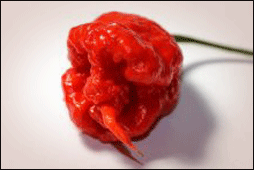
In the realm of very hot chillies, the Carolina Reaper stood tall for years, a true titan of heat that captured the imagination of spice enthusiasts worldwide. Officially recognised by Guinness World Records in 2013 and again in 2017, this wrinkled, scarlet devil is not for the faint of heart. Its fiery punch packs an average of 1.57 million Scoville Heat Units (SHU), with some specimens reaching a mind-boggling 2.2 million SHU. To truly grasp the magnitude of this heat, consider your average jalapeño, which maxes out at a mere 8,000 SHU. That means the Carolina Reaper is more than 300 times hotter! It’s like comparing a candle flame to a raging inferno.

However, in a twist that has sent shockwaves through the chilli world, theImage Red Carolina reaper Carolina Reaper’s reign as the world’s hottest pepper was recently usurped by none other than Pepper X, another creation from the same mastermind. In September 2023, Pepper X claimed the Guinness World Record with an astounding average of 2.69 million SHU, pushing the boundaries of pepper heat even further.
The birth of the Carolina Reaper, this incendiary marvel, took place in the fertile fields of South Carolina, where it earned its menacing moniker. Both the Carolina Reaper and its successor, Pepper X, are the brainchildren of “Smokin’ Ed” Currie, a man whose unbridled passion for very hot chillies has quite literally pushed the boundaries of what’s possible in chilli breeding. Currie’s journey to create the world’s hottest peppers was no overnight success. He spent nearly a decade in relentless pursuit of his fiery dream, meticulously selecting and breeding peppers with the patience of a scientist and the vision of an artist. Throughout this painstaking process, Currie carefully monitored heat levels and flavour profiles, seeking to create the perfect balance between searing spice and complex taste. His dedication to this scorching craft has revolutionised the world of super-hot chillies and earned him a place in the pantheon of pepper pioneers, first with the Carolina Reaper and now with the even hotter Pepper X.

Read more