Spicy Moroccan lamb tagine

Home | Cooking with Chillies

Traditional Tagine with a Fiery Fusion Twist

There’s something magical about the moment you lift the cone-shaped lid of a tagine. Steam rises in aromatic swirls, carrying with it the promises of tender meat and complex spices that have been slowly mingling for hours. While traditional Moroccan tagines rely on warm spices rather than heat, our contemporary version adds carefully chosen chillies to create an exciting new dimension of flavour.

Picture succulent pieces of lamb shoulder, so tender they yield to the gentlest pressure of a fork, swimming in a rich sauce that balances sweet, sour, and spicy notes. Fresh red chilies and a scatter of dried chili flakes bring warmth that builds gradually, while preserved lemons add bright citrus notes and honey-sweet apricots provide a natural sweetness that perfectly complements the meat. Underneath it all, the classic Moroccan spice blend ras el hanout provides a foundation of warm spices – cinnamon, cumin, coriander, and more – that reminds us of this dish’s noble heritage.


Spicy Moroccan lamb tagine
 
Author: 
Nutrition Information
  • Serves: 6 generous portions
  • Serving size: 350 grqms
  • Calories: 785
  • Fat: 20 grams
  • Saturated fat: 16 grams
  • Unsaturated fat: 2 grams
  • Carbohydrates: 60 g
  • Sugar: 21 grams
  • Sodium: 3462 mg
  • Fiber: 5 g
  • Protein: 77 g
  • Cholesterol: 128 mg
Recipe type: Dinner
Cuisine: Moroccan
Prep time: 
Cook time: 
Total time: 
There's something magical about the moment you lift the cone-shaped lid of a tagine. Steam rises in aromatic swirls, carrying with it the promises of tender meat and complex spices that have been slowly mingling for hours. While traditional Moroccan tagines rely on warm spices rather than heat, this contemporary version adds carefully chosen chilies to create an exciting new dimension of flavor. The slow cooking process allows the chilies to mellow and meld with classic tagine ingredients like preserved lemons, honey-sweet apricots, and aromatic spices, creating a rich, complex dish that honors traditional techniques while adding a subtle but distinctive heat.
Ingredients
  • 1.2kg lamb shoulder, cut into large chunks
  • 3 red chilies, 2 finely chopped, 1 left whole (adjust to taste)
  • 1 teaspoon dried chili flakes
  • 2 large onions, finely chopped
  • 4 garlic cloves, minced
  • 2-inch piece fresh ginger, grated
  • 2 tablespoons ras el hanout
  • 2 teaspoons ground cumin
  • 2 teaspoons ground coriander
  • 1 cinnamon stick
  • 2 tablespoons clear honey
  • 2 tablespoons tomato paste
  • 2 preserved lemons, quartered
  • 200g dried apricots
  • 100g green olives, pitted
  • 500ml lamb or chicken stock
  • 3 tablespoons olive oil
  • Large bunch fresh coriander
  • Salt and black pepper to taste
Instructions
Method:
  1. Mix the lamb with half the ras el hanout, 1 teaspoon each of cumin and coriander, salt, and pepper. Leave to marinate for at least 30 minutes, preferably longer.
  2. Heat oil in a tagine or heavy-based casserole over medium-high heat. Brown the marinated lamb in batches until golden all over. Remove and set aside.
  3. Lower heat and sauté onions until soft and translucent (about 8 minutes). Add garlic, ginger, chopped chilies, and remaining spices. Cook for 2 minutes until fragrant.
  4. Return lamb to the pot. Add tomato paste, whole chili, chili flakes, honey, and stock. Bring to a simmer, cover, and cook on low heat for 1.5 hours.
  5. Add preserved lemons and apricots. Continue cooking for 45 minutes.
  6. Add olives and cook for a final 15-20 minutes until lamb is meltingly tender and sauce has thickened.
  7. Remove whole chili. Adjust seasoning, scatter with fresh coriander.
To Serve:
  1. Accompany with couscous or flatbread, and a fresh herb salad. For those who enjoy extra heat, serve harissa paste on the side.
Notes
Tips:

Ask your butcher to cut the lamb into large chunks - they'll do a neater job
The tagine tastes even better the next day
Adjust the amount of chillies to suit your heat preference
For best results, use a proper tagine pot or heavy-based casserole with a tight-fitting lid


Authentic Irish Fisherman’s stew

Spicy seafood stew

From the rugged Irish coastline comes this hearty fisherman’s stew, a dish born from the tradition of cooking the day’s catch at sea. Unlike its Mediterranean cousins, this Celtic version brings together the bounty of the North Atlantic with an unexpected twist – the warming kick of fresh chillies. This humble yet luxurious one-pot meal tells the story of resourceful fishermen who knew that the freshest seafood needs little more than careful cooking and thoughtful seasoning to shine.

While traditional Irish cuisine isn’t typically associated with spice, this dish represents a beautiful evolution of classic seafood cookery. The combination of rich fish stock, sweet tomatoes, and the gentle heat of chillies creates a perfectly balanced broth that allows each type of seafood to maintain its distinct character while contributing to the overall depth of flavor.

What makes this stew special is its adaptability – originally made with whatever came up in the nets, today’s version can be crafted with any mix of seafood available at your local market. Whether you’re using Atlantic cod, plump mussels, or tender squid, the key lies in the layered addition of ingredients and the respect for each component’s cooking time. The result is a celebration of the sea – a warming, satisfying meal that’s equally at home on a fisherman’s boat or your dinner table.

Authentic Irish Fisherman's stew
 
Author: 
Nutrition Information
  • Serves: 8
  • Serving size: 400 gr
  • Calories: 310
  • Fat: 12 grams
  • Saturated fat: 5 grams
  • Unsaturated fat: 2 grams
  • Carbohydrates: 15 grams
  • Sugar: 3 grams
  • Sodium: 953 mg
  • Fiber: 3 grams
  • Protein: 30 grams
  • Cholesterol: 90 m
Recipe type: Seafood
Cuisine: Irish
Prep time: 
Cook time: 
Total time: 
From Ireland's rugged coastline comes a hearty fisherman's stew, celebrating the Atlantic's finest catches. While different from Ireland's famed meat stews, this coastal dish has been a staple in Irish fishing communities for generations, making the most of the daily harvest from pristine waters. The combination of firm white fish, plump mussels, tender squid, and sweet prawns, all gently cooked in a rich broth with garden vegetables and a splash of white wine, captures the essence of Irish coastal cooking.
Ingredients
  • 500g firm white fish (haddock, cod or monkfish), cut into chunks
  • 12 mussels, cleaned and debearded
  • 8 large prawns, shell on
  • 200g squid rings
  • 12 clams, cleaned
  • 2 medium onions, finely diced
  • 4 garlic cloves, minced
  • 3 fresh red chillies, finely chopped (adjust to taste)
  • 2 celery stalks, finely diced
  • 2 carrots, diced
  • 400g chopped tomatoes
  • 1 liter rich fish stock
  • 120ml dry white wine
  • 2 bay leaves
  • Fresh parsley, chopped
  • Salt and freshly ground black pepper
  • 3 tablespoons olive oil
  • 1 lemon, cut into wedges
Instructions
  1. Heat olive oil in a large heavy-based pot over medium heat. Add onions, celery, and carrots. Cook until softened (about 5 minutes).
  2. Add garlic and chillies, cook for another 2 minutes until fragrant.
  3. Pour in the white wine, let it bubble and reduce by half (about 3 minutes).
  4. Add chopped tomatoes, fish stock, and bay leaves. Bring to a simmer and cook for 15 minutes to let flavours develop.
  5. Add the firm white fish pieces and squid rings. Simmer for 3 minutes.
  6. Add mussels and clams. Cover and cook for 2-3 minutes until they start to open.
  7. Add the prawns and cook for a final 2-3 minutes until they turn pink and the shellfish is fully opened.
  8. Season with salt and pepper to taste.
  9. Discard any shellfish that haven't opened and remove bay leaves.
  10. Scatter with fresh parsley and serve hot with lemon wedges and crusty bread.
Notes
The freshness of seafood is crucial for this dish
Fish stock can be homemade or bought, but should be good quality
Seafood can be varied according to availability
The stew should be brothy rather than thick
Adding seafood in stages ensures nothing gets overcooked


Jambalaya

Louisiana Classic

Jambalaya is more than just a dish; it’s a journey through history and culture. This Louisiana classic, known for its bold flavours and hearty ingredients, tells a story with every bite. Rooted in the rich cultural melting pot of Louisiana, jambalaya reflects a blend of French, Spanish, and African influences. The dish’s name and diverse ingredients speak to its origins as a way to bring people together and make the most of available resources. Let’s delve into the fascinating history of jambalaya and discover how it evolved into the beloved dish we savour today.

The history of jambalaya is as rich and varied as its flavour. This beloved dish has its roots in the cultural melting pot of Louisiana, where French, Spanish, and African influences blend seamlessly. The name “jambalaya” is believed to derive from the Provençal word “jambalaia,” meaning a mix or mishmash, which reflectsthe dish’s diverse ingredients. Originally, it was a way to stretch limited resources and feed large families or gatherings. The dish evolved in the 18th century as Spanish settlers tried to recreate paella with local ingredients, leading to the rice-based creation we know today. African slaves added their own touches, such as the “Holy Trinity” of onions, celery, and bell peppers, which are now essential to the dish. Over time, jambalaya has become a symbol of Louisiana’s vibrant culinary heritage, celebrating its multicultural roots.

Only the real key ingredients are just rice, the “Holy Trinity” of onions, celery, and bell peppers, your chosen protein, and spices. That’s where we come in: The Chilli Workshop has got the goods to kick your jambalaya up a notch. Fancy giving it a go? It’s a piece of cake, really! Chuck your veggies in a pan, toss in your meat and seafood , sprinkle some rice and spices, and slosh in the broth. Let it bubble away for a bit. Oh, and don’t forget to give it a breather before dishing up! Serve it up with a side of crusty bread or a green salad for a complete meal. Your friends and family will be asking for seconds before you know it.  So, roll up your sleeves and dive into the joy of making jambalaya!

Read more

Chilli Chocolate:

A Spicy Sweet Adventure

Ever wondered why chilli chocolate is taking the pudding world by storm? This intriguing combination of rich, velvety chocolate and fiery chilli peppers has been captivating taste buds and sparking curiosity among food enthusiasts worldwide. Indeed, it’s not just a passing fad; rather, chilli chocolate represents a bold fusion of flavours that challenges our expectations and delights our senses.

Interestingly, the marriage of chocolate and chilli is not as new as you might think. In fact, it’s a combination with ancient roots, tracing back to the Aztecs who often combined cocoa with spices in their sacred drinks. Today, this historical pairing has been reinvented and refined, consequently offering a sophisticated flavour profile that appeals to modern palates.

So, what makes chilli chocolate so appealing? Firstly, it’s its ability to surprise and excite. Initially, the sweetness of the chocolate tantalizes the taste buds; then, it gradually gives way to a warm, tingling sensation from the chilli, thus creating a complex taste experience that evolves with each bite. Undoubtedly, it’s this dynamic interplay of flavours that has food lovers and chocolatiers alike experimenting with different combinations and intensities.

As we delve into the world of chilli chocolate, we’ll explore its origins, health benefits, and the myriad ways to enjoy this spicy-sweet treat. Whether you’re a chocolate connoisseur, a spice lover, or simply someone who enjoys trying new flavours, chilli chocolate offers a unique experience that’s worth exploring. From artisanal bars to homemade creations, we’ll uncover what makes this unconventional pairing so irresistible and why it’s here to stay.

Read more

Dried Chillies

A Fiery Culinary Staple in British Kitchens

Readily available in supermarkets, specialty shops, and Asian grocers. This accessibility allows home cooks and professional chefs to experiment with diverse flavours and heat levels. The presence of dried chillies in British kitchens shows the country’s growing appreciation for global cuisine and the desire to incorporate more complex, spicy elements into traditional and modern dishes.

Among the most common dried chillies in the UK are bird’s eye chillies, used in Thai and Southeast Asian dishes. These small, fiery peppers pack a significant punch and are perfect for those who enjoy intense heat. They’re frequently used in stir-fries, curries, and hot sauces. Their potent spiciness makes them a favourite among those who relish a fiery meal, ensuring they are a staple in spice cabinets across the country.

Kashmiri Chillies , popular in Indian cuisine, are another widely available variety. These mild to medium-heat chillies are prized for their vibrant red colour and subtle smoky flavour. They’re often used in tandoori dishes, butter chicken, and curry powders. Their balanced flavour profile adds complexity to Indian-inspired recipes, making them a cherished ingredient in British kitchens.

For those seeking extreme heat, dried Scotch Bonnet chillies  are a Caribbean import that’s become a staple in many British-Caribbean dishes and hot sauces. The intense, fruity heat of Scotch Bonnet peppers is perfect for those who crave a fiery kick. These chillies are often used in traditional Caribbean dishes like jerk chicken and pepper sauces, where their searing heat and unique flavour profile shine. The incorporation of Scotch Bonnet peppers into British cooking reflects the country’s embrace of diverse culinary traditions and the desire to push the boundaries of flavour and spice.

Read more

How to Make Chillies Less Spicy

Taming the Heat

Chillies – those vibrant, flavourful pods that add a kick to our favourite dishes. They’re the life of the culinary party, but sometimes they overstay their welcome, leaving our taste buds overwhelmed and our foreheads sweaty. Whether you’re a spice novice looking to dip your toes into the world of chillies, or a seasoned heat-seeker who accidentally went overboard, we’ve all been there. That moment when you realise your dish is more inferno than flavour can be frustrating, especially when you’ve spent time crafting a meal.

But fear not! The art of taming chillies is as old as cooking itself, and there are plenty of tricks up the sleeves of chefs and home cooks alike. From ancient techniques passed down through generations to modern culinary hacks, we’ve got a toolbox full of methods to help you navigate the spicy waters of chilli preparation.
In this post, we’ll explore various ways to make chillies less spicy without sacrificing their unique flavours. We’ll delve into the science behind the heat, uncover some surprising ingredients that can cool things down, and share practical tips you can use in your kitchen straightaway. Whether you’re preparing a fiery curry, a zesty salsa, or just trying to salvage an overly spicy dish, these techniques will help you find that perfect balance of heat and flavour.

So, grab your apron, and let’s embark on a journey to master the art of chilli control. Using various techniques , tips and tricks,by the end of this post, you’ll be equipped with the knowledge to confidently handle even the hottest Chillies , ensuring your dishes are flavourful, not fearsome.

Read more

Shakshuka: Spice Up Your Brekkie Game

Some history about Shakshuka

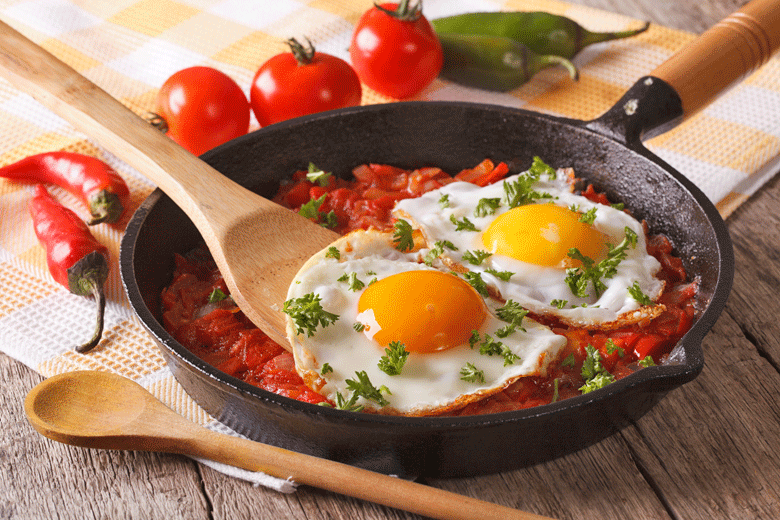
Before we dive into this culinary delight, let’s explore the rich history of this humble yet extraordinary dish. Shakshuka’s ( also known as Shakshouka) roots lie in North African cuisine, particularly Tunisia, where it’s been a staple for generations. The word means “mixture” in Arabic dialects, and it truly lives up to its name with its perfect storm of flavours, textures, and aromas.

As people migrated, they carried their cherished recipes with them. Shakshuka spread throughout the Middle East and beyond, adapting to local tastes and ingredients. It’s a testament to food’s power to unite people across cultural and geographical boundaries.

Picture this: It’s 1950s Tunisia. The air is thick with spices and simmering tomatoes. Workers gather around a steaming pan, tearing off crusty bread to dip into the bubbling, spicy tomato sauce, fishing out peppers and onions, and scooping up runny egg yolks. This is Shakshuka – not just a meal, but a tradition of sharing and community.

Today, Shakshuka graces menus of trendy brunch spots worldwide, from London to New York, Sydney to Berlin. It’s proof that good food knows no boundaries. Whether you’re a busy professional or a weekend warrior ready to impress, Shakshuka’s got you covered. Eat it for breakfast , brunch  or for that matter supper or lunch.

Ready to shake up your breakfast game? Let’s dive into the world of Shakshuka. Your taste buds will thank you!

Read more

Creamy Chilli Steak Sauce

Steak sauce with Chillies

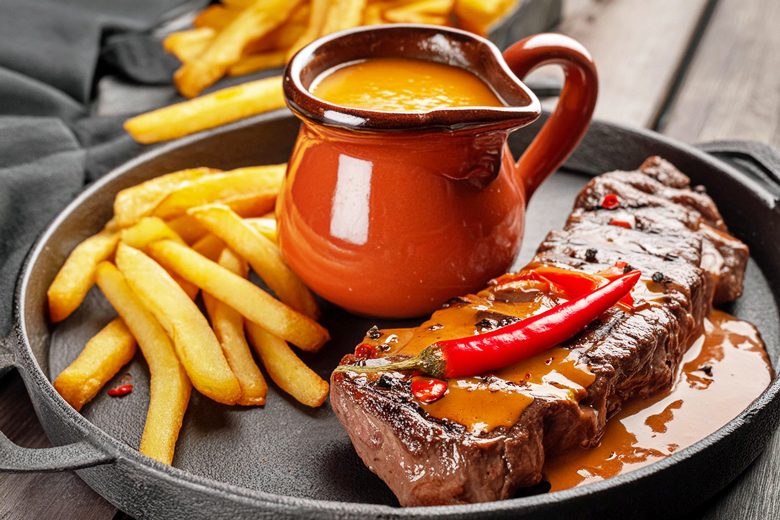
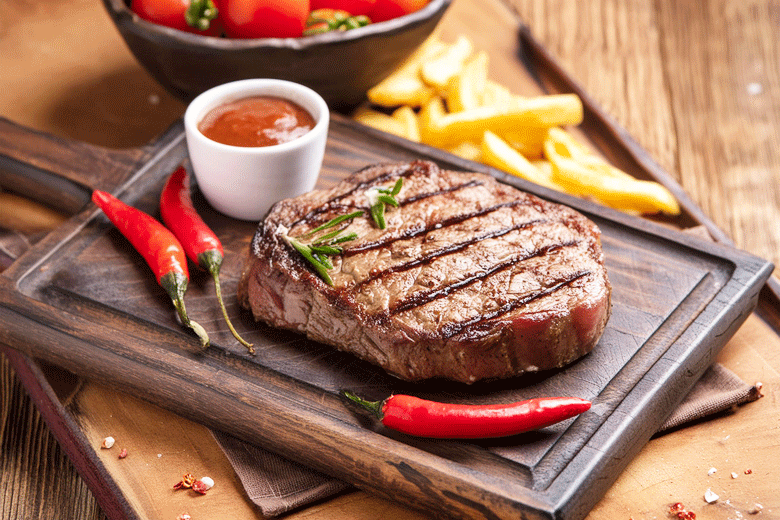
If you’re looking to elevate your steak with a sauce that’s both indulgent and packed with flavour, this creamy chilli steak sauce is a perfect choice. Combining the richness of heavy cream with the bold heat of fresh red chillies, this sauce creates a harmonious blend that complements the savoury taste of a perfectly cooked steak. Enhanced with aromatic shallots and garlic, and balanced with Dijon mustard, Worcestershire sauce, and a touch of tomato paste, this sauce offers a delightful complexity that will impress your taste buds and dinner guests alike.

Dijon mustard and Worcestershire sauce introduce subtle tangy and umami notes  enhancing the overall taste profile and adding layers of intrigue to the sauce. A touch of tomato paste rounds out the flavours with a hint of sweetness and acidity, balancing the creaminess and spice.

Whether you’re hosting a dinner party or simply enjoying a special meal at home, this creamy chilli steak sauce is sure to become a favourite addition to your culinary repertoire. It’s versatile enough to complement various cuts of steak, from tender filet mignon to hearty ribeye, and can even be paired with other meats like chicken or pork for a delightful twist.

This recipe is straightforward and easy to follow, ensuring that you can create a restaurant-quality sauce in the comfort of your own kitchen. With its rich, spicy, and creamy characteristics, this sauce will transform your steak into a gourmet dish that will leave everyone asking for seconds. So, gather your ingredients and get ready to impress with this delectable creamy chilli steak sauce.

Read more

Caribbean Scotch Bonnet Steak Sauce

Making homemade steak sauce

While shop-bought sauces can be convenient, there is nothing quite like the satisfaction of creating your own homemade steak sauce from scratch. By making your own sauce,you have full control over the ingredients, flavours, and consistency, allowing you to tailor it to your specific preferences.

To start, choose a base for your sauce such as a reduction of wine, stock, or cream. This will provide the foundation for your flavours to build upon. Then, experiment with different herbs, spices, and aromatics to create a sauce that complements the steak perfectly.

For a simple yet delicious homemade steak sauce, try caramelising onions and garlic in butter, then deglazing the pan  with red wine and beef stock. Add a touch of mustard and Worcestershire sauce for depth of flavour, and finish with a knob of butter for a luxurious shine.

For a spicy kick, consider making a homemade chilli sauce. Blend fresh chillies with garlic, vinegar, and a touch of sugar for balance. Simmer the mixture until thickened, then adjust the seasoning to taste. This sauce can be as mild or as fiery as you like, adding a customisable heat to your steak.

Remember, the key to a great homemade sauce is to taste as you go and adjust the seasonings accordingly. Don’t be afraid to get creative and try new flavour combinations until you find the perfect sauce that takes your steak to the next level.

Read more

Food from Portugal

Spicy Portuguese food

Beyond stunning coastlines and rich culture, Portugal boasts a vibrant culinary scene, as diverse and flavourful as its history. Influenced by past colonies, Portuguese cuisine is a delightful tapestry of fresh, seasonal ingredients and aromatic herbs. A surprising touch – chillies – brings a subtle heat. While not known for overwhelming spice, Portugal uses chillies strategically to add depth to iconic dishes.

Get ready for a culinary adventure through Portugal! We’ll delve into ten delectable dishes that showcase the country’s love for a fiery kick. Each dish adds a unique twist, taking you on a journey through Portugal’s diverse flavours. From succulent grilled meats to comforting stews and vibrant seafood creations, these offerings will tantalize your taste buds.

From trendy Lisbon restaurants to traditional Alentejo villages, these fiery dishes are enjoyed by all. Whether you’re a spice enthusiast or a curious palate, Portuguese cuisine has something to offer. These spicy dishes highlight the versatility and depth of Portuguese cuisine. Chillies, though not the centre piece, enhance the flavours and add an exciting kick to these traditional recipes that have been brought back from previous  Portuguese colonies far and wide across the globe

Whether you’re a spice enthusiast or just looking to add a bit of heat to your meals, these Portuguese dishes with chillies offer a delicious way to experience the rich culinary heritage of Portugal. We wish you a hearty bom apetite!

Read more